
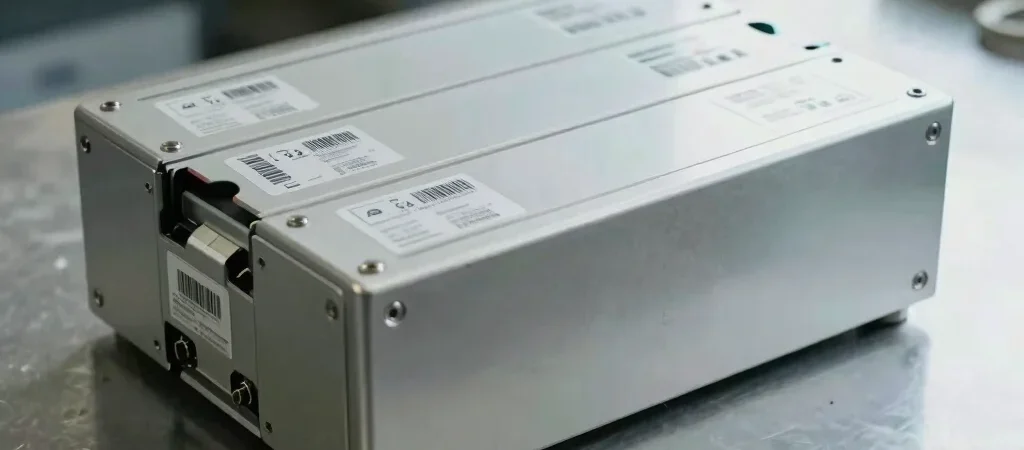
Industrial and electric vehicle batteries represent the frontline for European digital passport mandates. Under the updated battery regulations, units exceeding two kilowatt-hours placed on the EU market will soon require a comprehensive passport detailing active material origins, state-of-health metrics, and recycled cobalt, nickel, and lithium percentages.
Capturing Real-Time Battery Health and Recycled Material Data
Unlike static consumer goods, industrial batteries continuously evolve throughout their operational lifespan. A compliant battery passport must record both pre-market manufacturing data and dynamic operational telemetry, such as charge cycle counts and thermal exposure histories. This dynamic data stream allows second-life operators to evaluate battery health for grid storage applications without destructive physical testing.
Aligning Procurement with Critical Raw Material Thresholds
Meeting mandatory recycled content quotas requires direct engagement with upstream refiners and recycling processors. Procurement strategists must establish contractual assurances that verify chain-of-custody documentation for recovered metals. Early alignment ensures compliance with upcoming statutory audits while protecting against supply volatility in secondary raw material markets.